Brescia 1891 – 1959 Bellano
Italian Painter
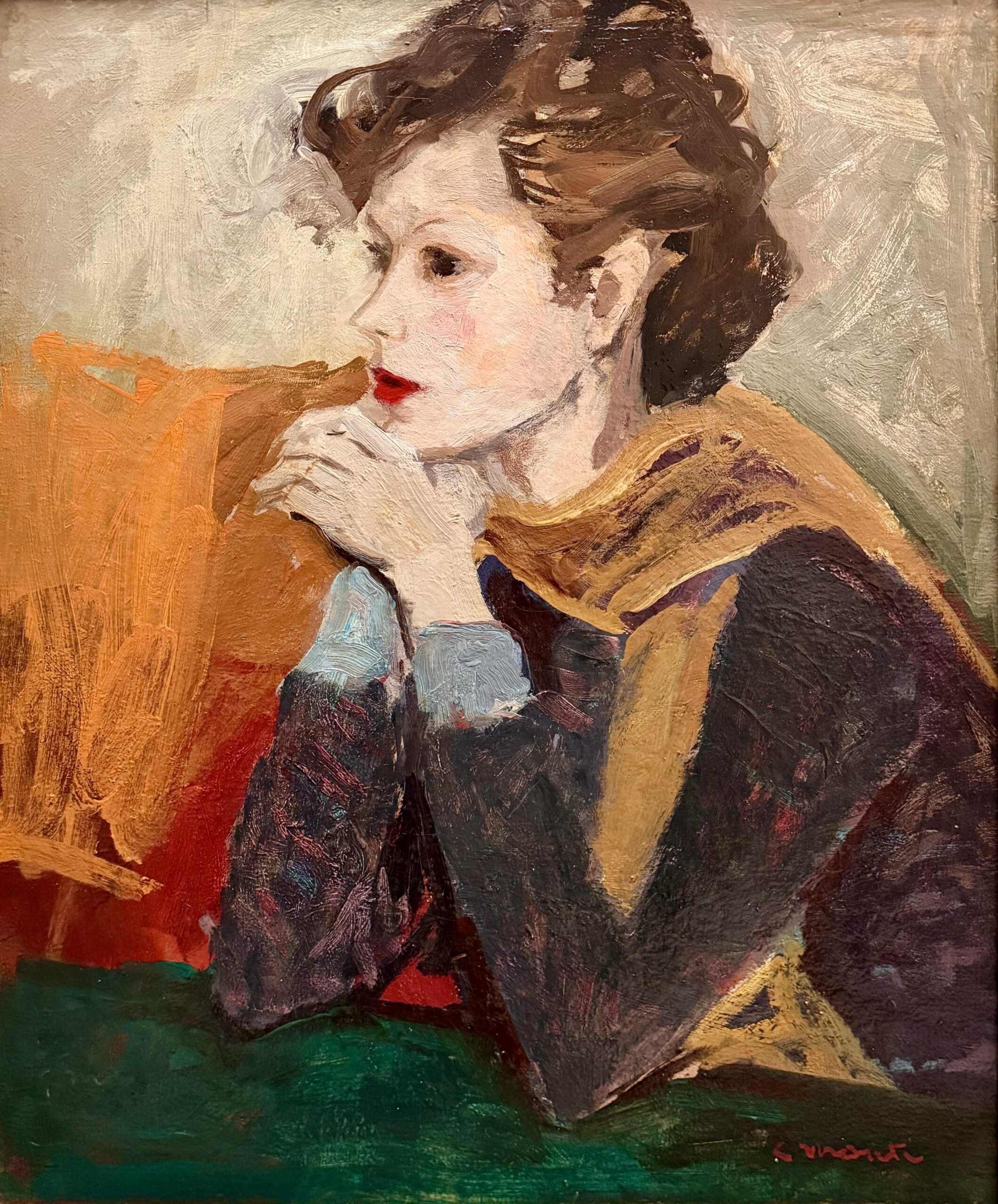
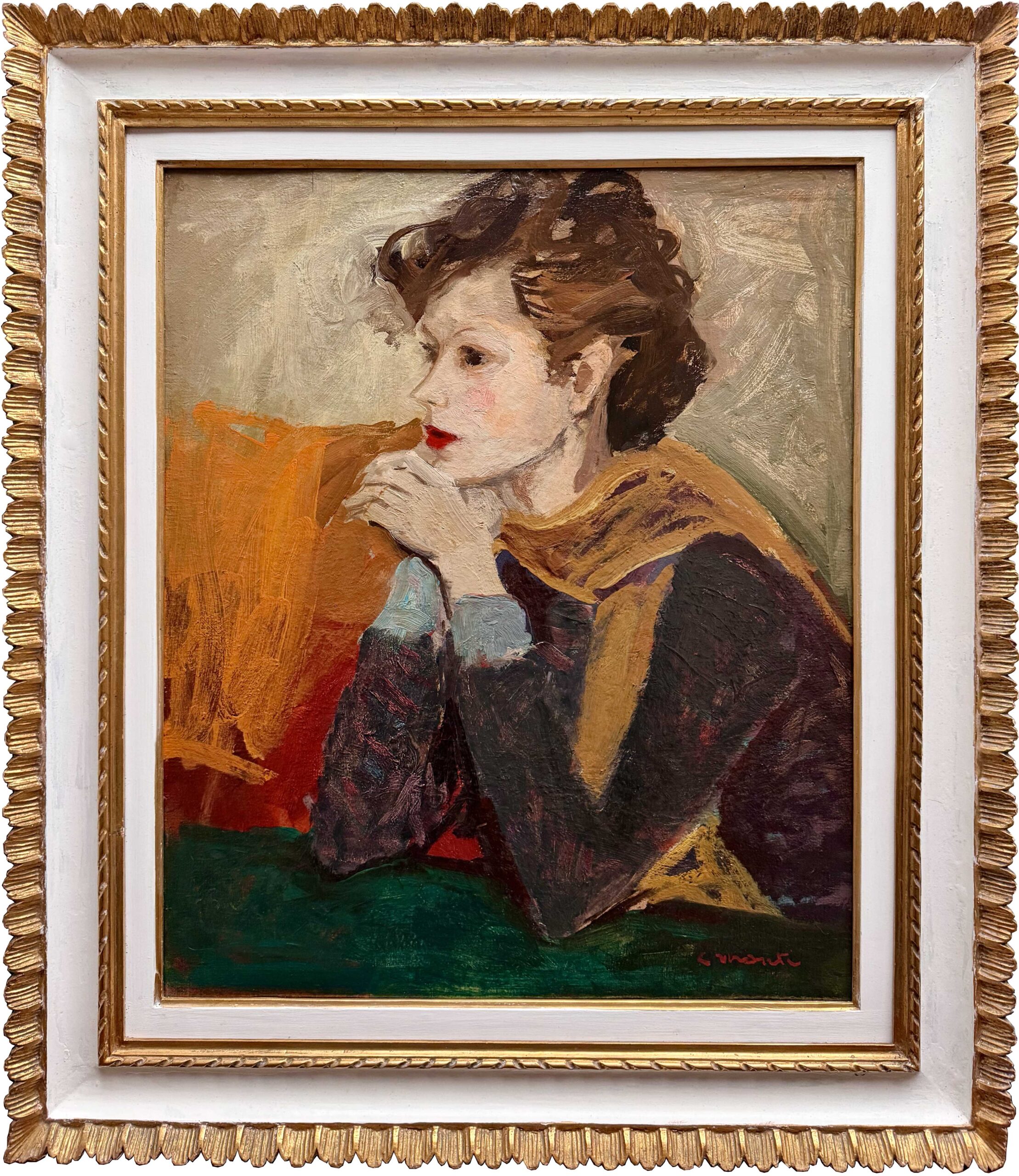
Studio di figura
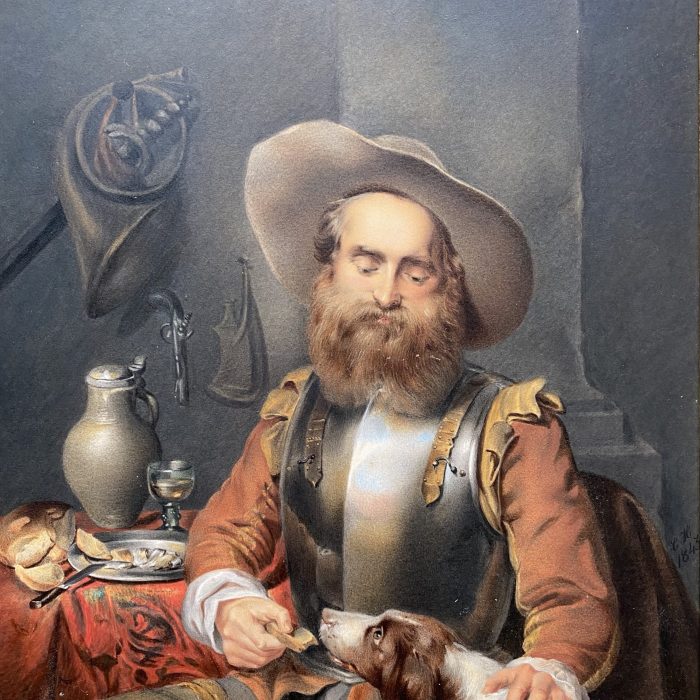
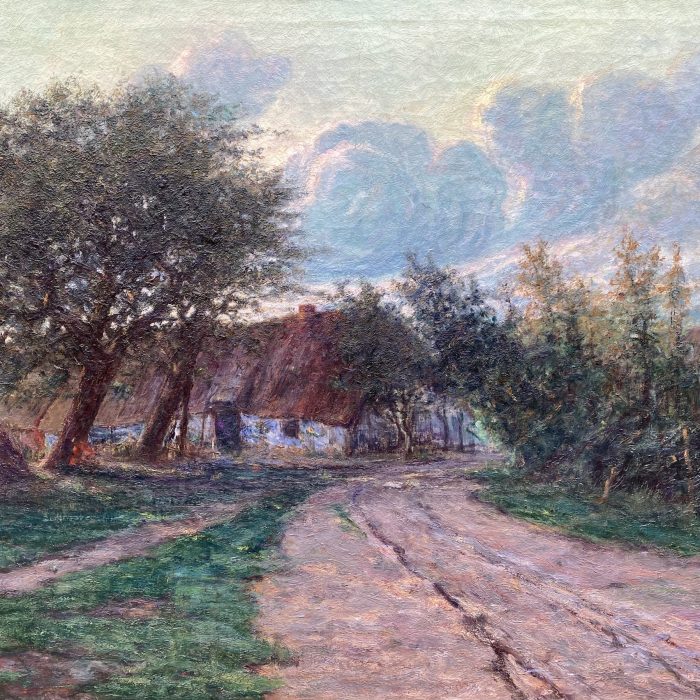
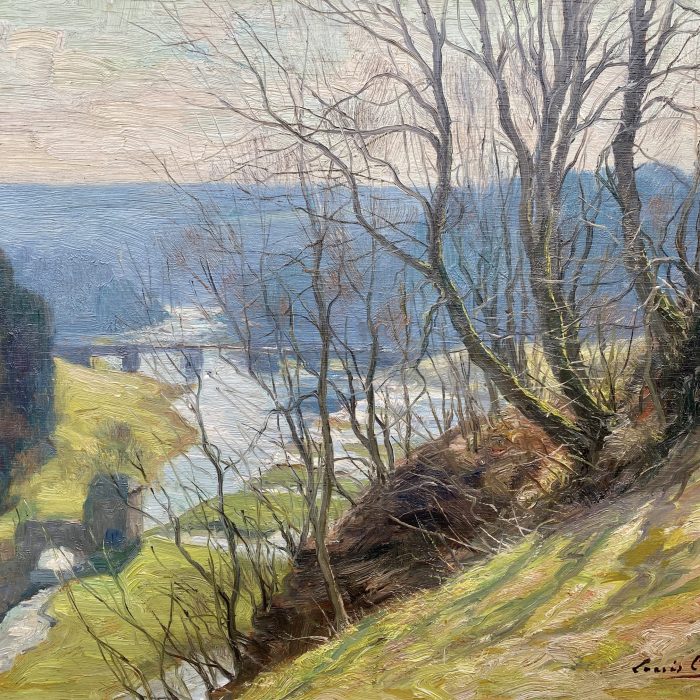
Cesare Monti was an Italian painter in Brescia on 3 February 1891 and died in Bellano on 1 July 1959, known above all for his landscapes, female figures, and still lifes. His work developed through the major artistic movements of the first half of the twentieth century, evolving from Divisionism to the Novecento Italiano movement, and finally toward a style more closely linked to the tradition of Lombard Naturalism.
After a period of study in Paris, Monti moved to Milan in 1911. There he began to focus on subjects that would remain central throughout his career: landscapes, female figures, and still-life compositions. His artistic debut came in 1912 at the annual exhibition of the Società per le Belle Arti ed Esposizione Permanente in Milan, where he presented works in a Divisionist style. These early paintings reveal the attention to light and chromatic fragmentation typical of that movement.
In the 1920s Cesare Monti became associated with the Novecento Italiano movement, one of the most important artistic groups in Italy between the two World Wars. He participated in both the first and second exhibitions of the movement, held in Milan in 1926 and 1929 respectively. During this period his painting acquired greater formal solidity: space was constructed with more rigor, while figures and objects gained a more monumental and stable presence.
At the same time, Monti took part in the most important artistic events in Italy. Beginning in 1920, he was regularly invited to the Venice Biennale, starting with the 12th International Art Exhibition of the City of Venice. His presence at the Biennale helped establish him as one of the most significant figures in Italian painting of his time.
In the 1930s he became associated with the so-called Cenacolo di Via Bagutta, the Milanese group of artists and intellectuals who gathered around the famous trattoria and played an important role in the cultural life of the city. His fame reached its peak in 1940, when the 22nd Venice Biennale devoted an entire room exclusively to his work, an honor reserved for fully established artists.
After the Second World War, Cesare Monti’s painting clearly reflected the tradition of Lombard Naturalism. The works produced during this period reveal a more intimate and concrete vision of reality, while maintaining the compositional solidity and sensitivity to light that had characterized his entire career.
Today Cesare Monti remains an important figure in twentieth-century Italian art, capable of combining modernity and tradition in a refined, balanced style deeply rooted in Lombard culture.