1889 – Brussels – 1961
Belgian Painter
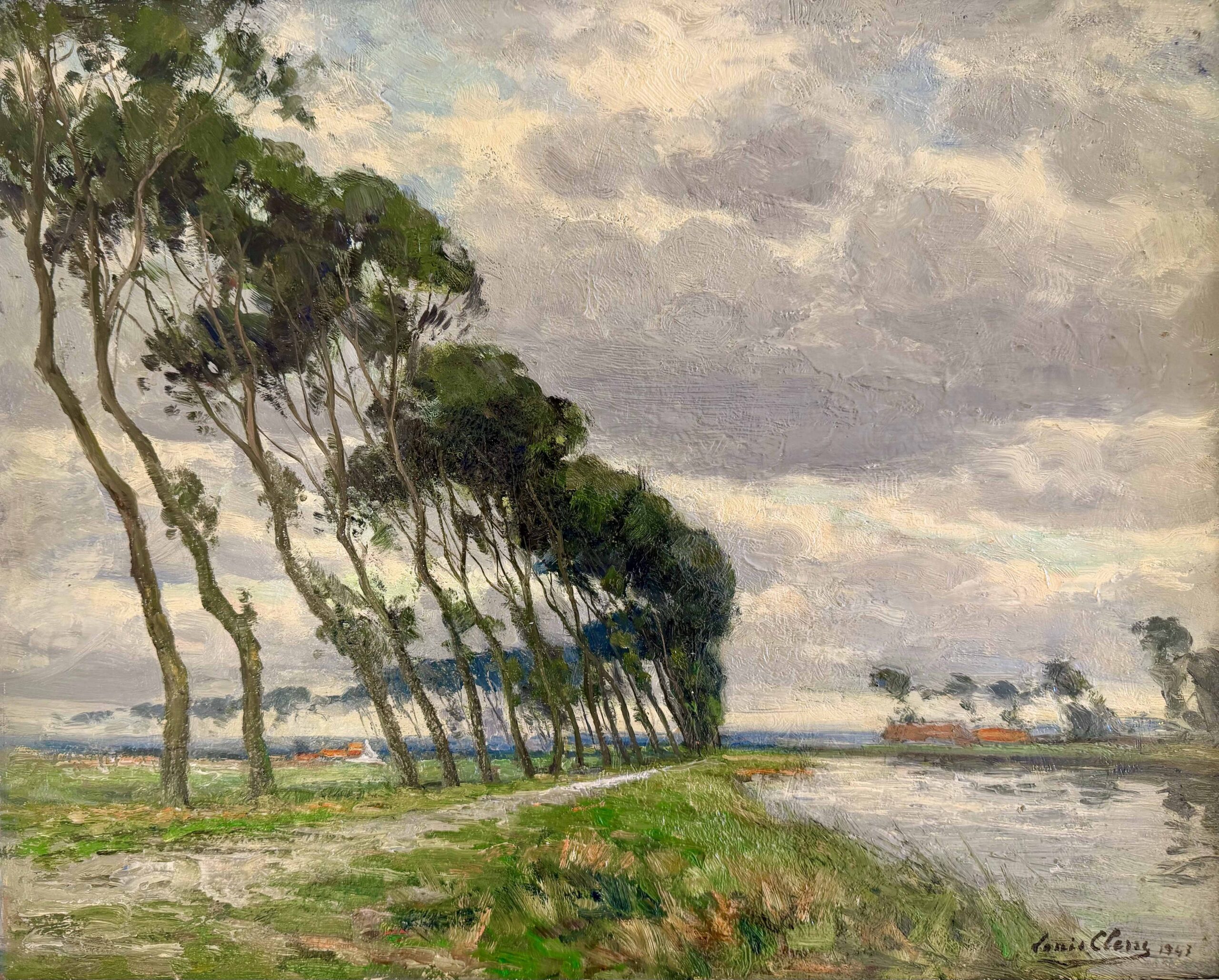
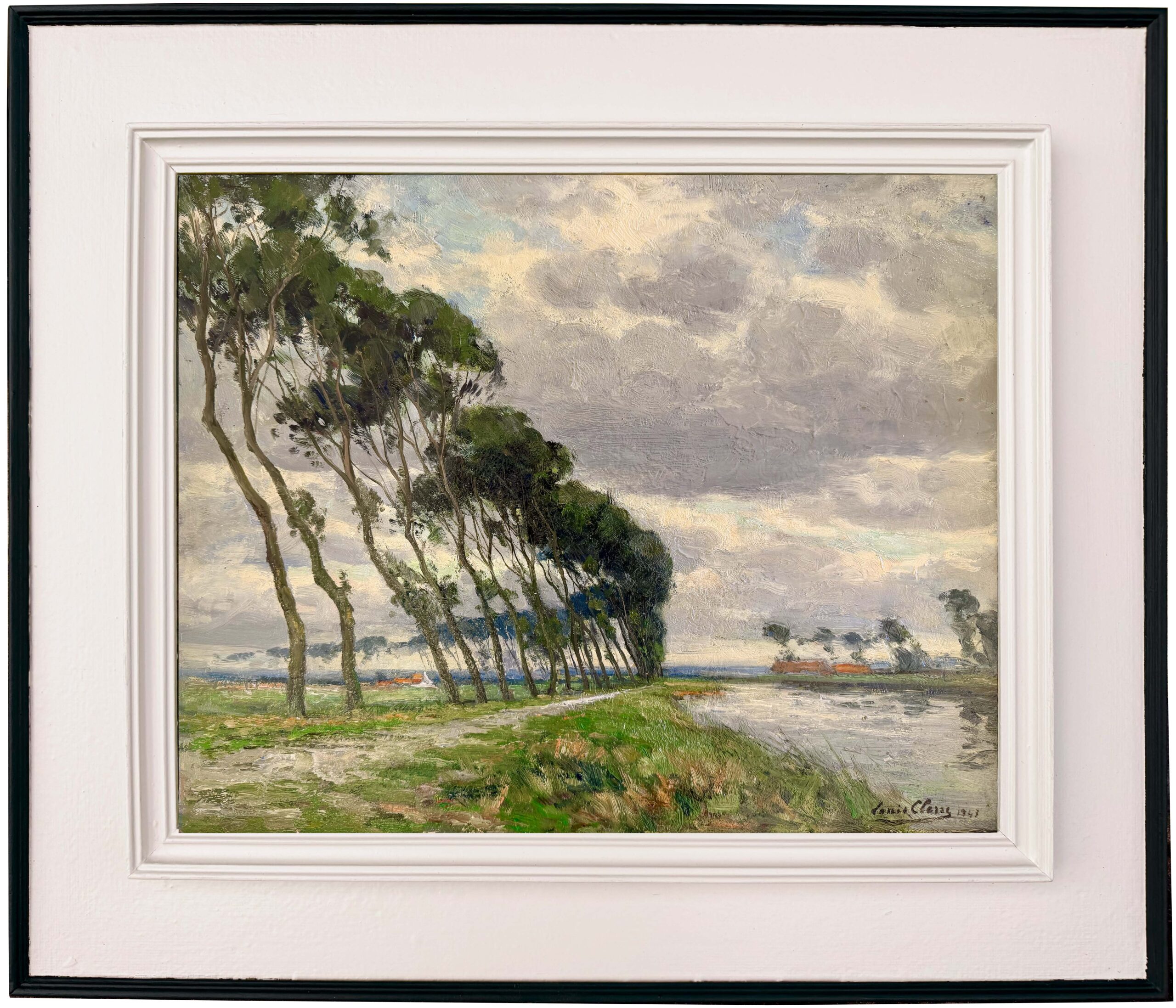
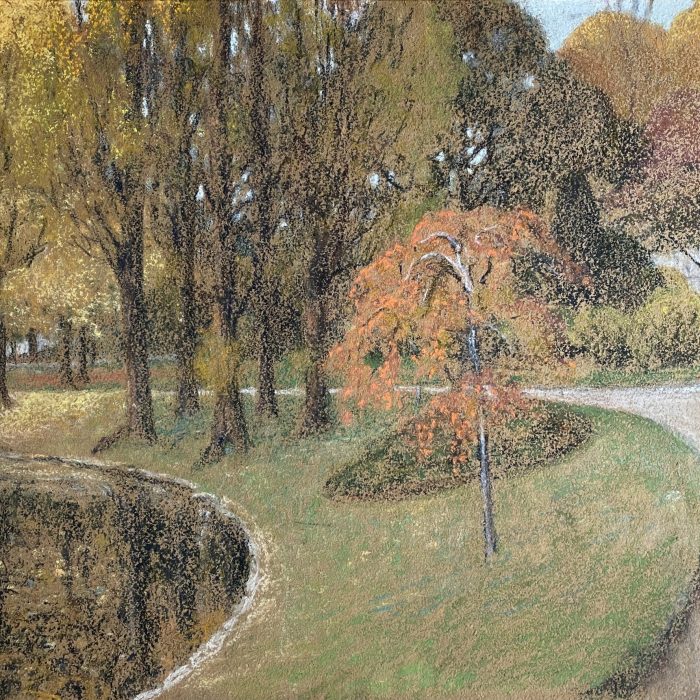
Along the Path, Oudenburg
Louis Liévin Théophile Clesse born in Ixelles Brussels 15 June 1889 and died 9 February 1961 was a Belgian Post Impressionist and Realist painter aquarellist and etcher widely celebrated for his evocative landscapes maritime scenes still lifes and portraits His art is distinguished by a lyrical interplay of light and color expressed through confident brushwork and a keen sensitivity to atmosphere
Born in Ixelles Elsene a district of Brussels Clesse was the youngest of eight children in a family of modest means His father François Auguste Clesse worked as an upholsterer and his mother Augustine Josèphe Leduc nurtured a tight knit household From an early age Louis was introduced to the arts by his older brother Theo who was the chief assistant in the decorative painting studio of Paul Hermanus and an amateur painter himself
Clesse began his formal studies at the Academy of Fine Arts in Ixelles where he excelled as a student winning numerous prizes and in 1904 the prestigious government medal for painting After completing his studies he worked for the firm of Hermanus producing decorative pieces and reproductions of old masters for private interiors a formative experience that honed his technique and observational skill
His early exposure to the work of established painters like Alfred Bastien and Emile Claus deeply influenced his artistic development While Clesse’s roots lay in realism he quickly embraced a more subjective and expressive approach to painting He sought not to replicate the visible world but to interpret its emotional resonance through bold color harmonies textured brushstrokes and painterly compositions
In 1907 Clesse made his debut at the Brussels Triennial Salon with a woodland scene He would go on to exhibit regularly across Belgium and abroad in Antwerp Liège Charleroi Mons Barcelona and Nice among others Throughout his career he remained an active figure in the Belgian art world contributing to journals such as Revue de l’Art Belge and Savoir et Beauté and participating in various cultural institutions
Clesse’s favored subjects included the forests and ponds around Auderghem where he summered and eventually became an honorary citizen in 1959 the Zenne Valley the Sonian Forest and the countryside and harbors of West Flanders Ostend Nieuwpoort and Zeebrugge Between 1928 and 1932 he also painted extensively along the northern French coast from a base in Petit Fort Philippe From the 1930s onwards he maintained a studio in Oudenburg from where he explored the scenic Flemish polder landscapes and the city of Bruges
His style is often described as a compelling synthesis of Realism and Impressionism Deeply inspired by artists such as Franz Courtens Isidore Verheyden and particularly Emile Claus Clesse cultivated a personal idiom that blended painterly fluency with a grounded sense of place His plein air method sometimes even on large canvases was complemented by thoughtful studio reworkings giving his oeuvre both immediacy and refinement
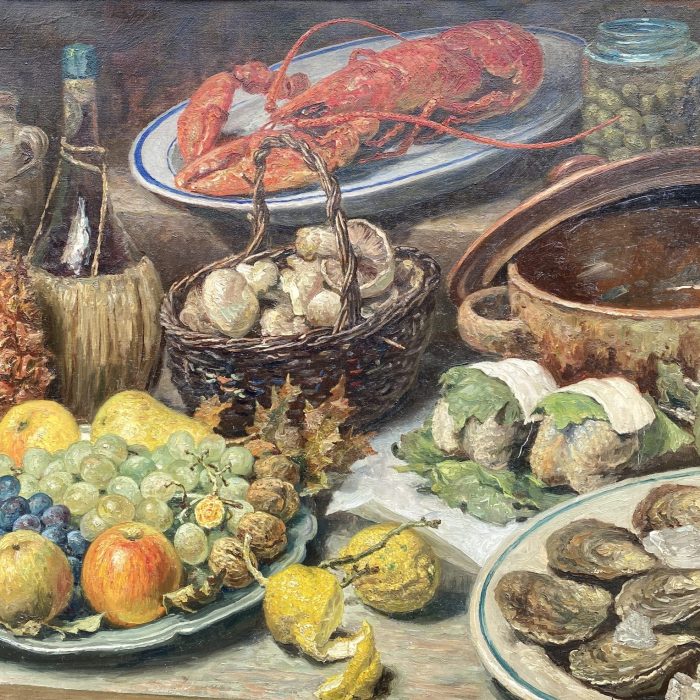
In addition to landscapes and harbor scenes Clesse created still lifes featuring game and poultry drawing from his own passion for hunting He also produced portraits and figure compositions His works consistently reveal a profound connection to nature and a deep appreciation of light and seasonal moods
A committed member of the Cercle Artistique et Littéraire Cercle Gaulois since 1910 Clesse also served on the acquisition committee of the Ixelles Museum and was a founding member and vice president of the Cercle d’Art d’Ixelles as well as the Association des Artistes Professionnels de Belgique In a rare honor the municipality of Auderghem named an avenue after him during his lifetime in 1942
Louis Clesse died in Ixelles on February 9 1961 He was buried there and his grave bears a sculpted portrait by René Cliquet a lasting tribute to his artistic stature
Today Clesse’s work can be found in both public and private collections across the globe His paintings are preserved in Belgian museums in Antwerp Brussels Ixelles Schaerbeek Charleroi and Ostend as well as in international institutions and embassies in Reims Algiers Cairo Kaunas Rio de Janeiro San Francisco and Tokyo His legacy endures in the vibrant poetic vision he brought to the Belgian landscape and beyond.