Debrecen 1870 – 1950 Budapest
Hungarian Painter
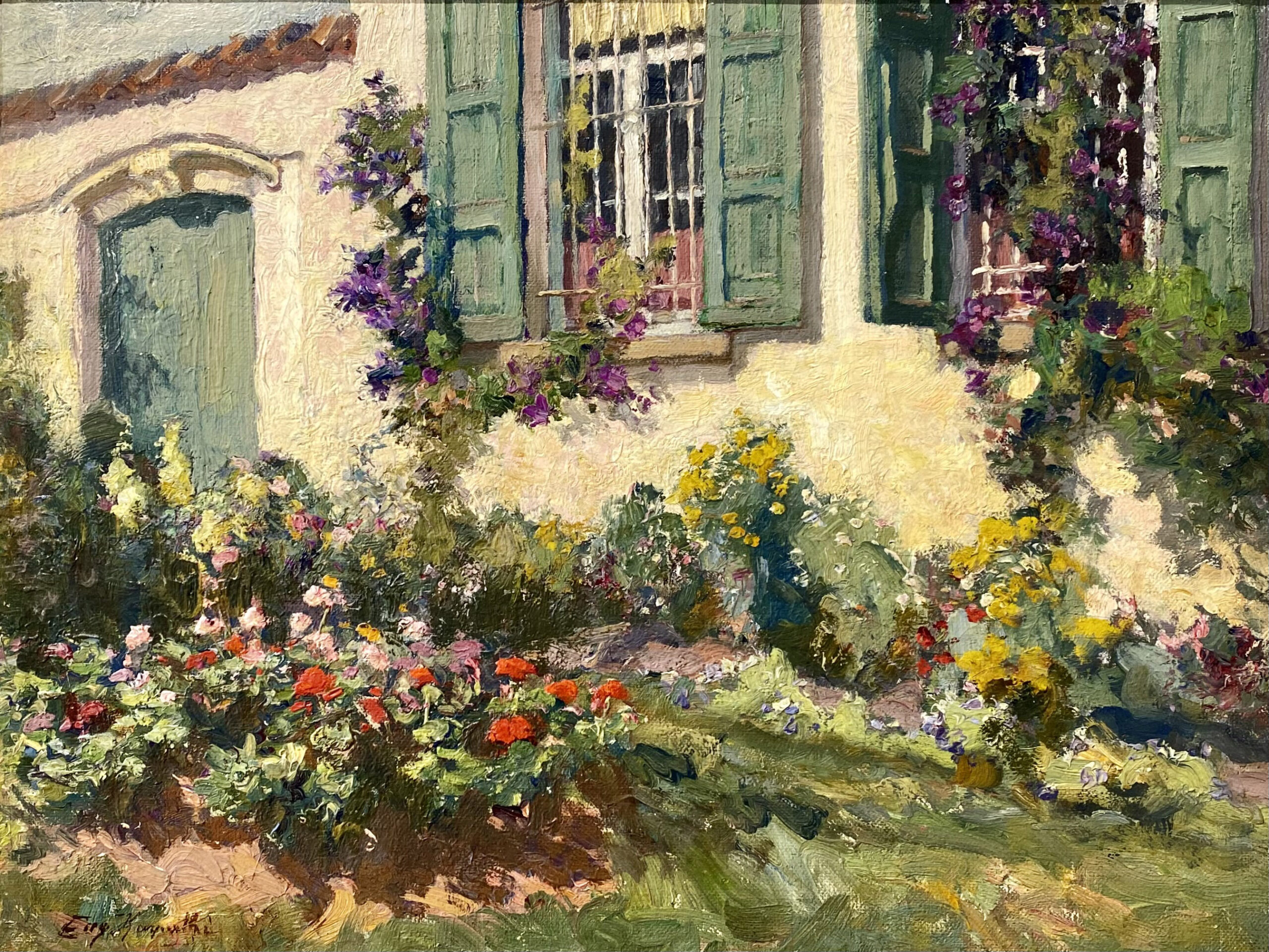

A Sunny Cottage
Jeno Karpathy, also known by the French variant Eugène Karpathy, was born in 1871 in Debrecen, Hungary. He was a Hungarian painter celebrated for his lyrical landscape paintings and open-air subjects. From a young age, he developed a deep interest in depicting nature—a passion that would define his artistic career.
He received his formal training in Budapest under the renowned painter Bertalan Székely, one of the leading figures of Hungarian academic and historical painting. Karpathy later continued his studies abroad in Paris and Brussels, where he immersed himself in the artistic movements shaping Western Europe at the time.
Karpathy lived in Belgium for twenty-five years, a period during which he regularly exhibited his work and refined his plein-air technique. With the outbreak of the First World War, he returned to Budapest, where he continued to pursue his artistic career.
His work gained increasing recognition in Hungary. He exhibited at the National Salon between 1919 and 1921, followed by an exhibition at the Műcsarnok (Kunsthalle Budapest) in 1924. In 1934, the Lipotvárosi Casino honored him with a solo exhibition, confirming his respected position in Hungarian artistic circles.
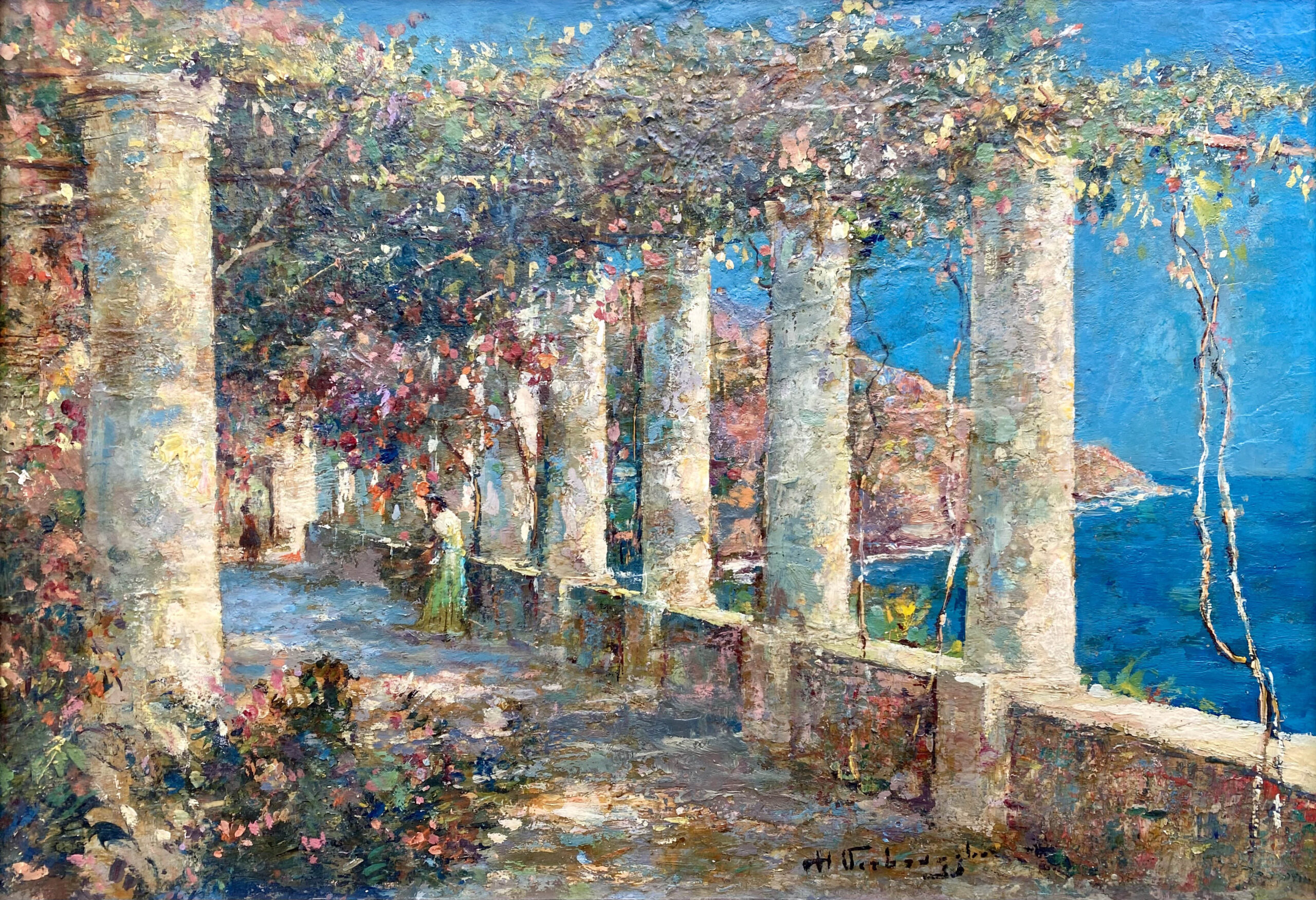
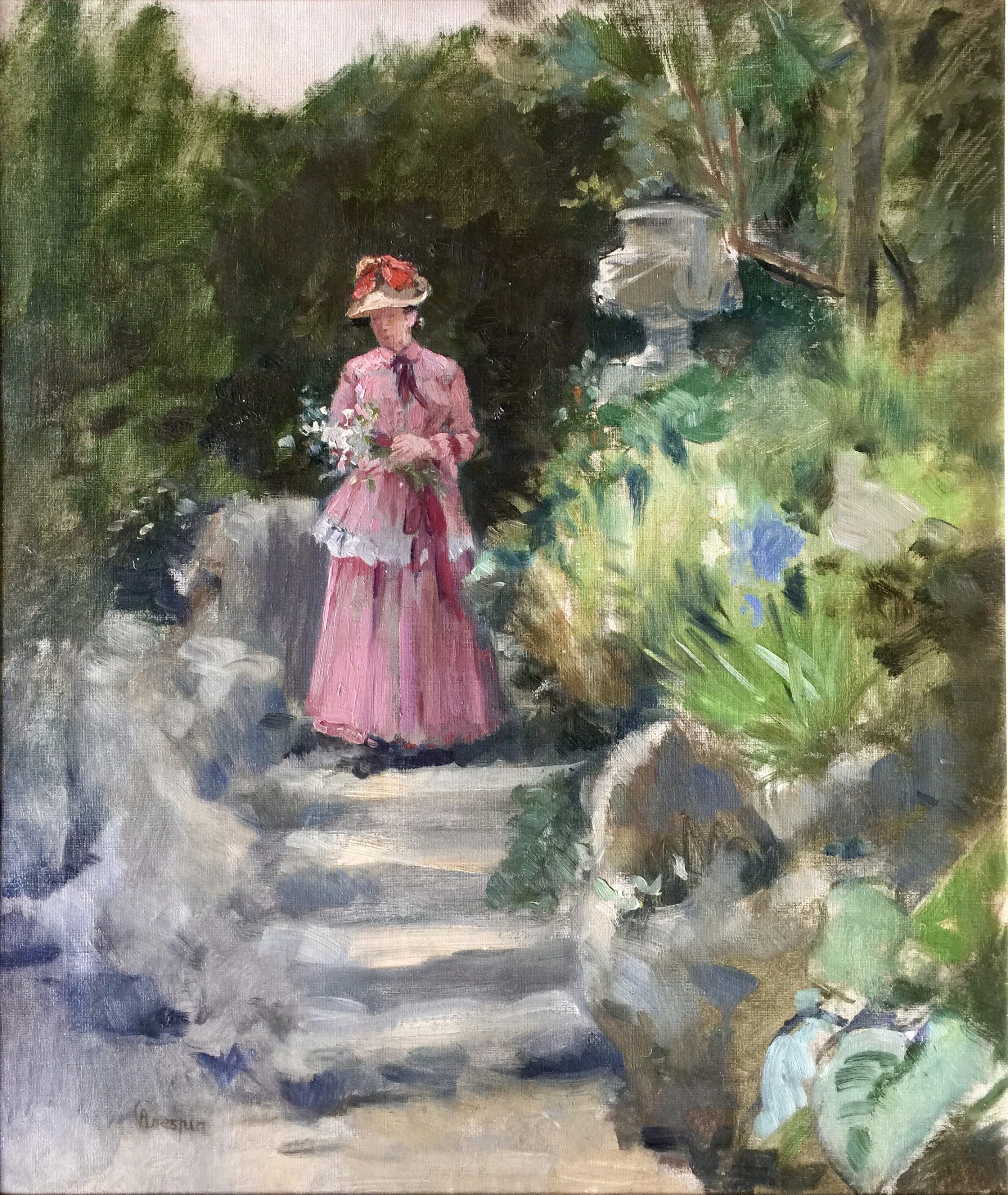
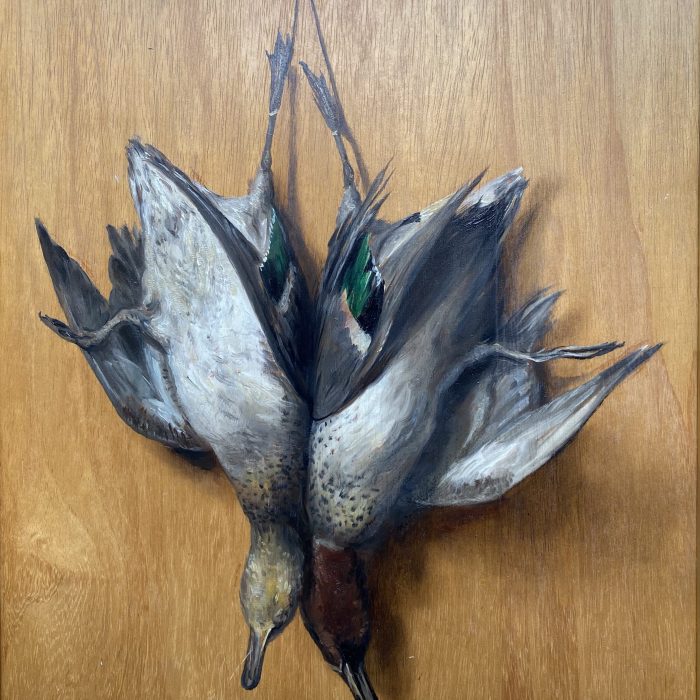
Karpathy’s preferred subjects were open-air landscapes, capturing subtle atmospheric effects, seasonal moods, and the quiet rhythms of rural life. His sensitivity to light and weather is evident in works such as Rainy Day in Dunaföldvár and Spring, both held in the Hungarian National Gallery in Budapest. His paintings are also part of the permanent collection of the Joslyn Art Museum in Omaha, Nebraska, and remain present in numerous private collections.
Jeno Karpathy died in Budapest in 1950, leaving behind a body of work that reflects both the tradition of Hungarian landscape painting and the cosmopolitan influences he absorbed during his years in Western Europe.