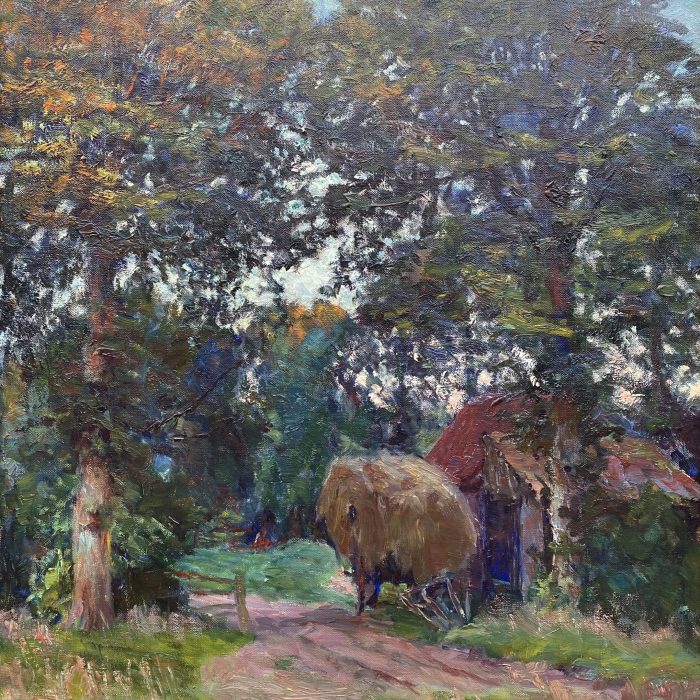
Edouard Verschaffelt was a distinguished Belgian painter whose career evolved from the academic traditions of Flanders to a deeply personal interpretation of North African life. Born in Ledeberg, near Ghent, in 1874, he received his artistic education at the Academy of Fine Arts in Antwerp, where he developed a solid grounding in drawing and absorbed the rich legacy of the Flemish Masters, while also embracing the luminous palette and freer brushwork of Impressionism.
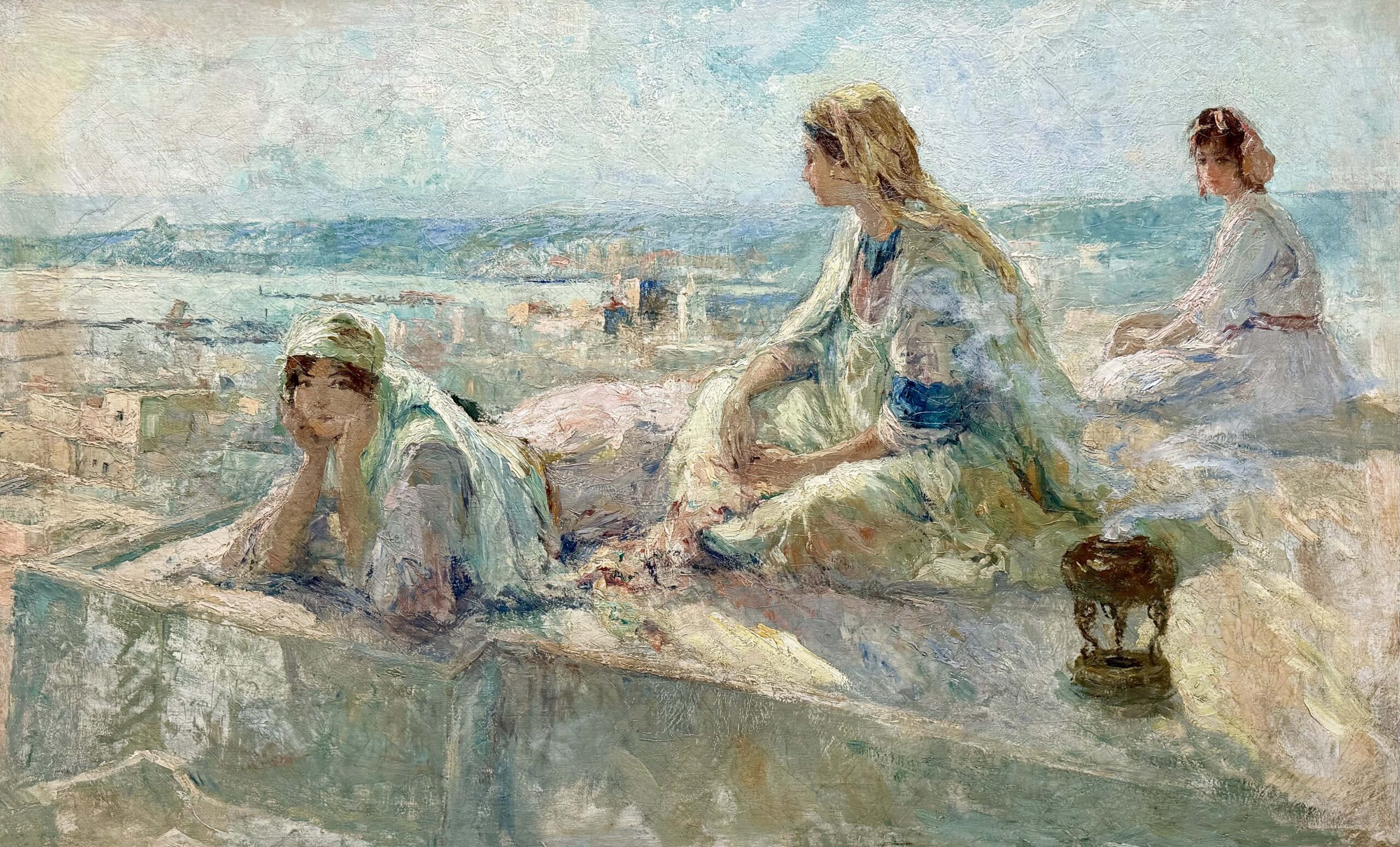
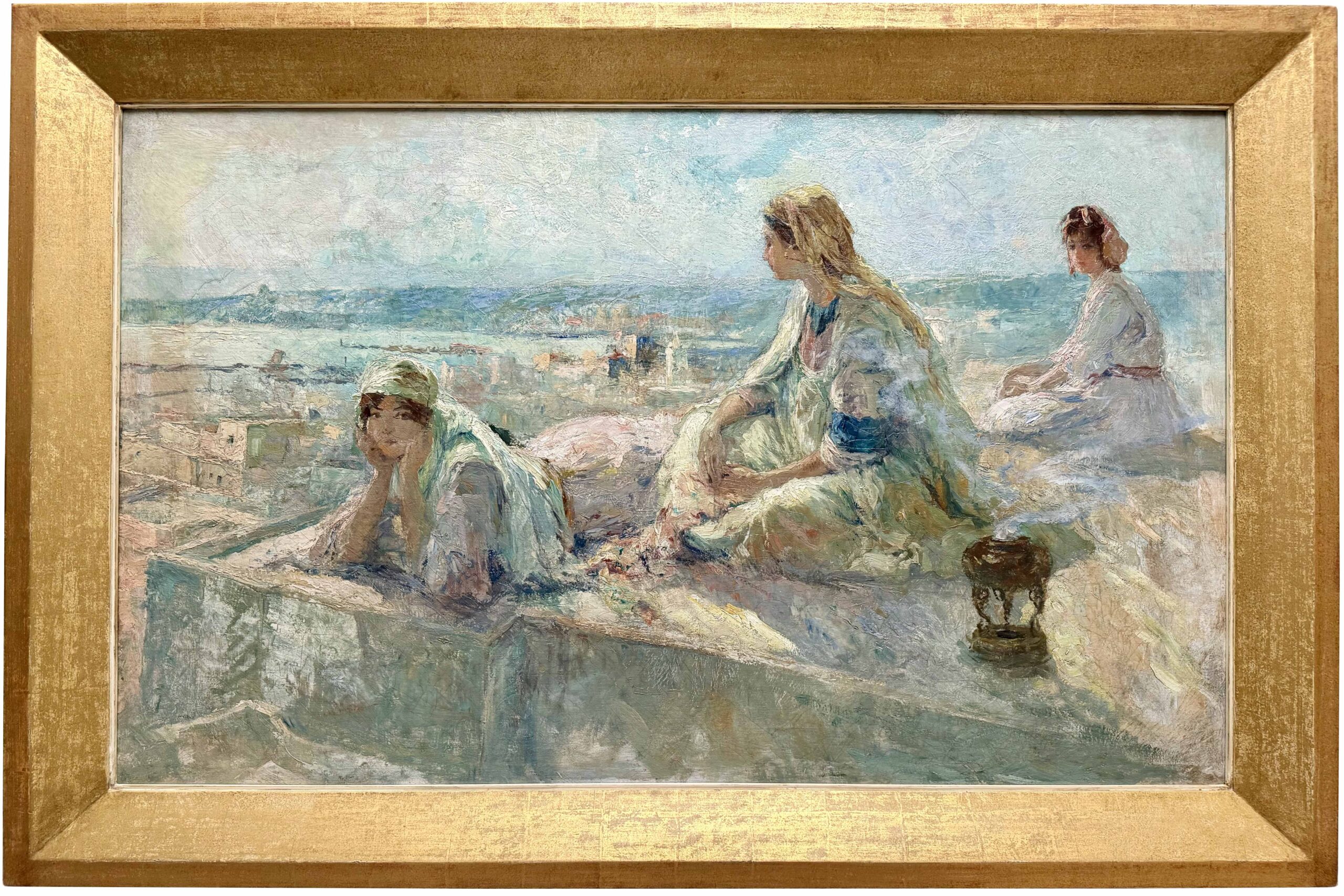
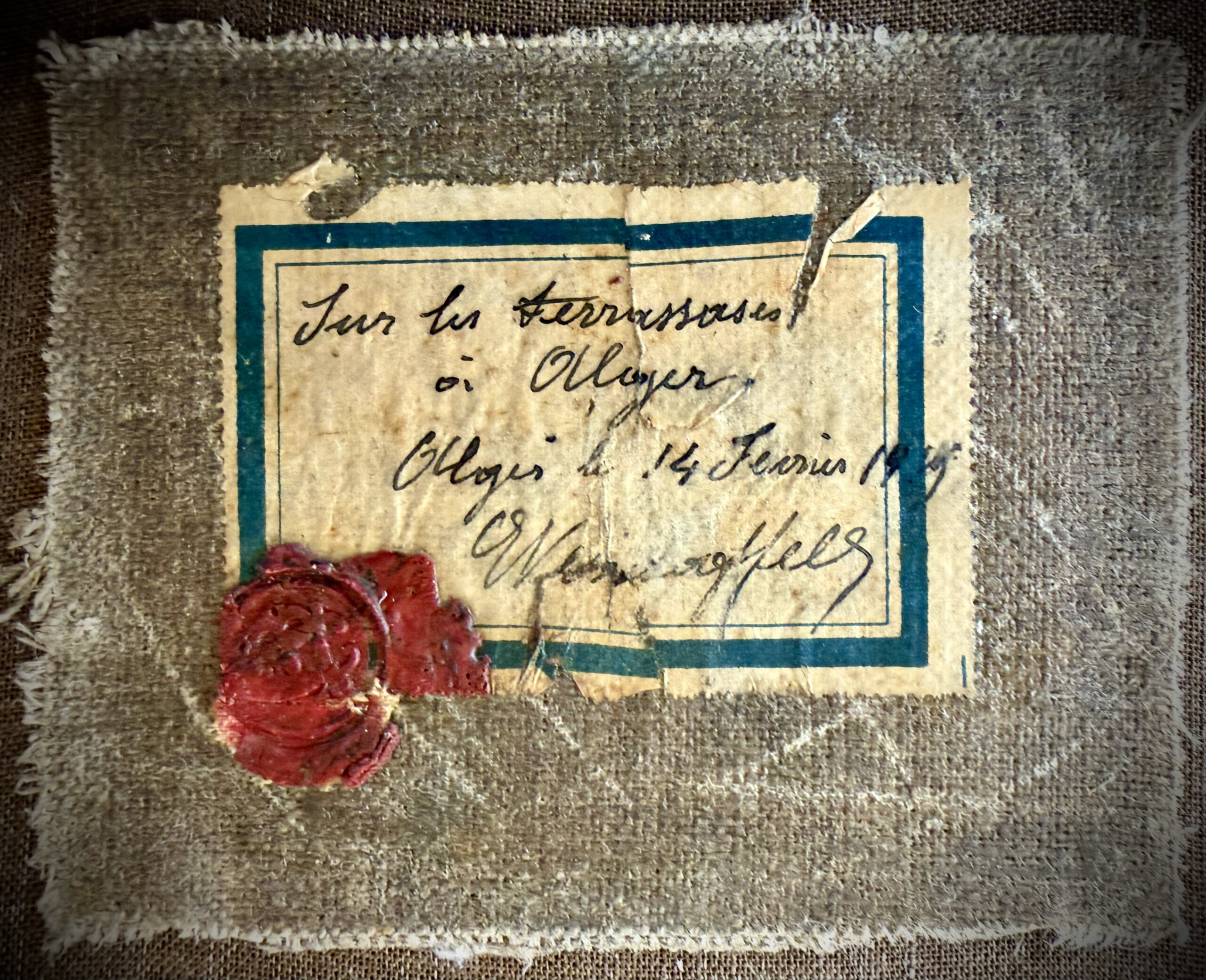
At the outbreak of the First World War, the German occupation of Belgium prompted Verschaffelt to leave his homeland with his family. In 1919, he settled in Algeria, where the striking landscapes, brilliant light and local culture profoundly transformed his artistic vision. Unlike many Orientalist painters who depicted North Africa through an exotic or romanticised lens, Verschaffelt sought an authentic and respectful representation of everyday life. His works reveal a genuine appreciation for the people, traditions and atmosphere of Algeria, resulting in paintings of remarkable warmth, sincerity and humanity.
Following the death of his first wife, Verschaffelt chose to remain permanently in Algeria. He married an Algerian woman from the Ouled Sidi Brahim tribe, raised a family there, and became fully integrated into the local community. Many of his finest paintings portray members of his family and the inhabitants of Bou Saâda, rendered with sensitivity, rich colour and an exceptional command of light.
Today, Edouard Verschaffelt is regarded as one of Belgium’s most accomplished Orientalist painters. His oeuvre encompasses portraits, genre scenes, interiors and landscapes, all characterised by refined draughtsmanship and a vibrant yet harmonious palette. His paintings are represented in important public and private collections, including the Museum of Fine Arts in Ghent, and continue to be admired for their artistic quality and their honest portrayal of North African life.