Brussels 1876 – 1949 Uccle
Belgian Painter
+32 478 22 65 64 | info@valentinasafarian.com

Brussels 1876 – 1949 Uccle
Belgian Painter
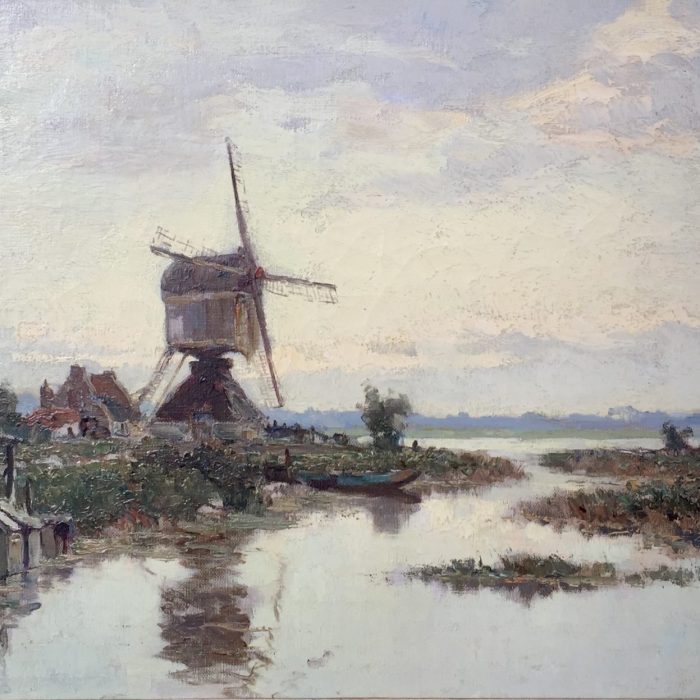
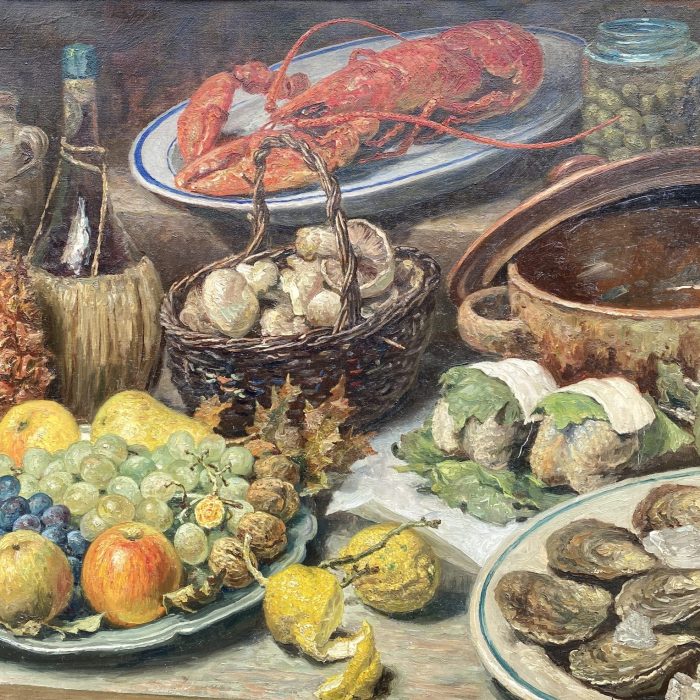
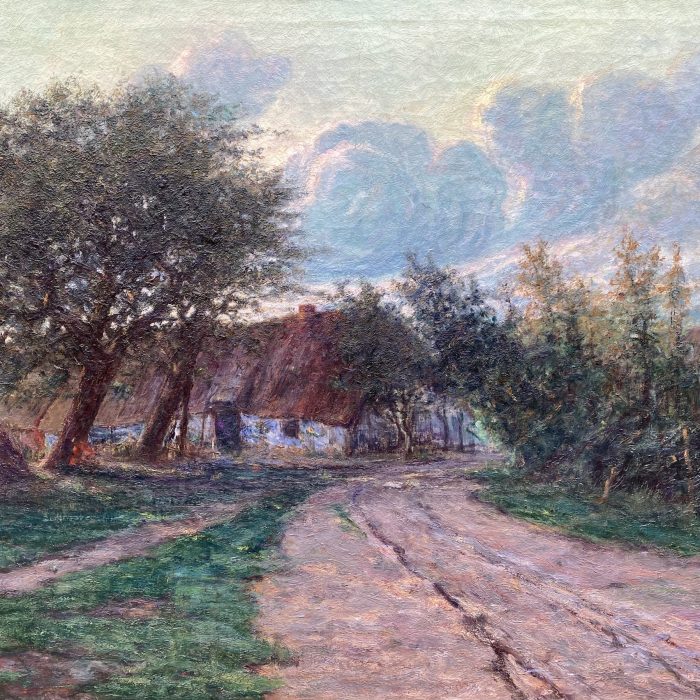
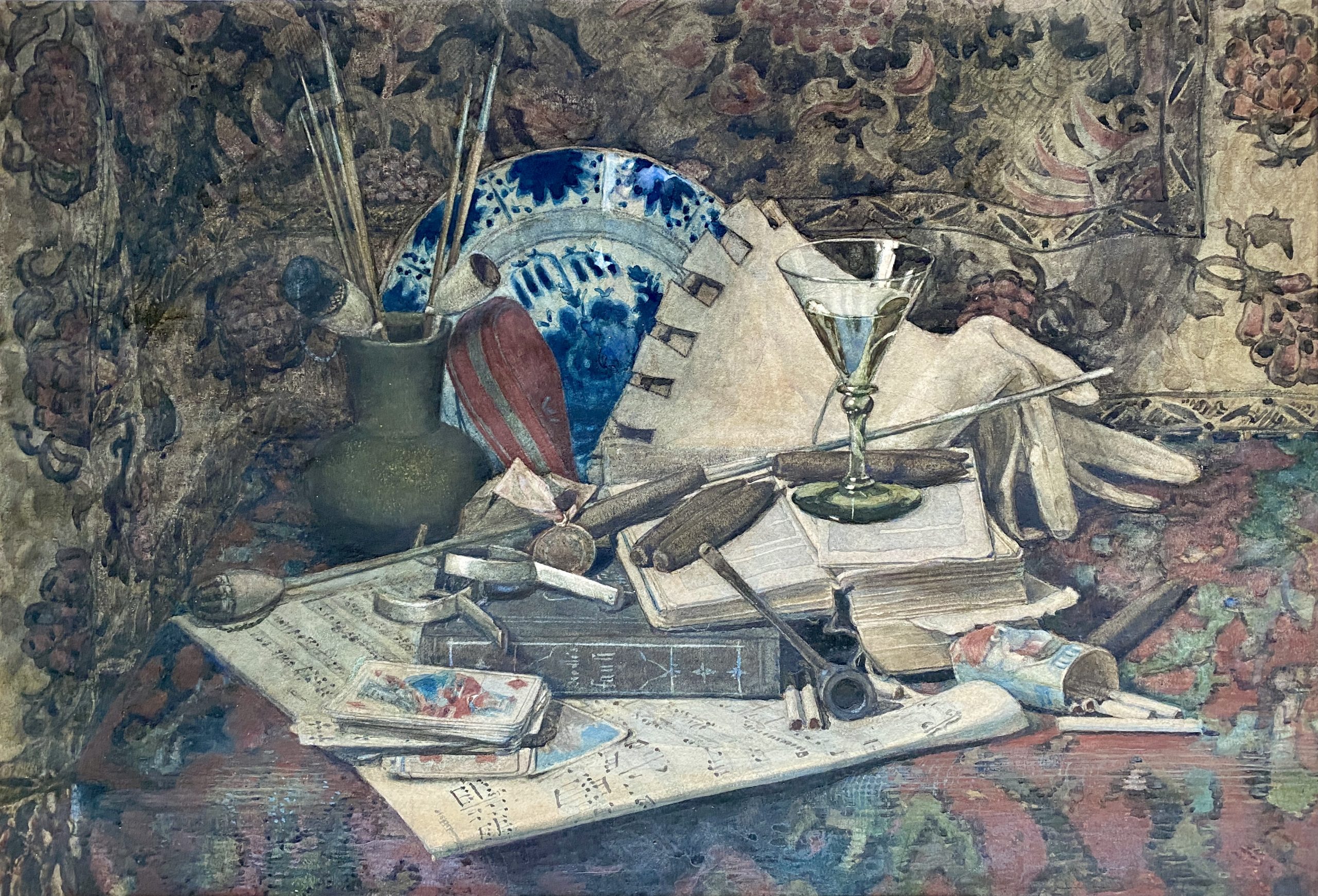
Georges Philippe Jacqmotte (1876–1949) was a Belgian painter whose work reflects the elegance of the Belgian Realist tradition during the late nineteenth and early twentieth centuries. Renowned for his finely executed landscapes, marine views, portraits, genre scenes, and still lifes, Jacqmotte developed a refined artistic language distinguished by harmonious compositions, delicate light, and meticulous attention to detail.
Born in Brussels on 17 February 1876, Jacqmotte grew up during a period of remarkable artistic activity in Belgium. He first attracted public attention in 1897 when he exhibited a portrait study at the Brussels artistic circle L’Esquisse, where critics noted the influence of the celebrated Belgian painter Léon Frédéric. From 1899 until the outbreak of the First World War, he exhibited regularly at the prestigious Belgian Triennial Salons in Ghent and Brussels, as well as at important exhibitions organised by L’Œuvre and the Cercle Artistique et Littéraire de Bruxelles. These exhibitions established him among the accomplished Belgian painters of his generation.
The First World War marked a significant chapter in Jacqmotte’s life. Like many Belgian artists, he sought refuge in London in 1914, where he continued to paint while remaining connected to the Belgian artistic community. After the war, he resumed exhibiting in Belgium, with documented participation in exhibitions throughout the 1920s, including the Floralies Picturales in Brussels and the Salons of Schaerbeek.
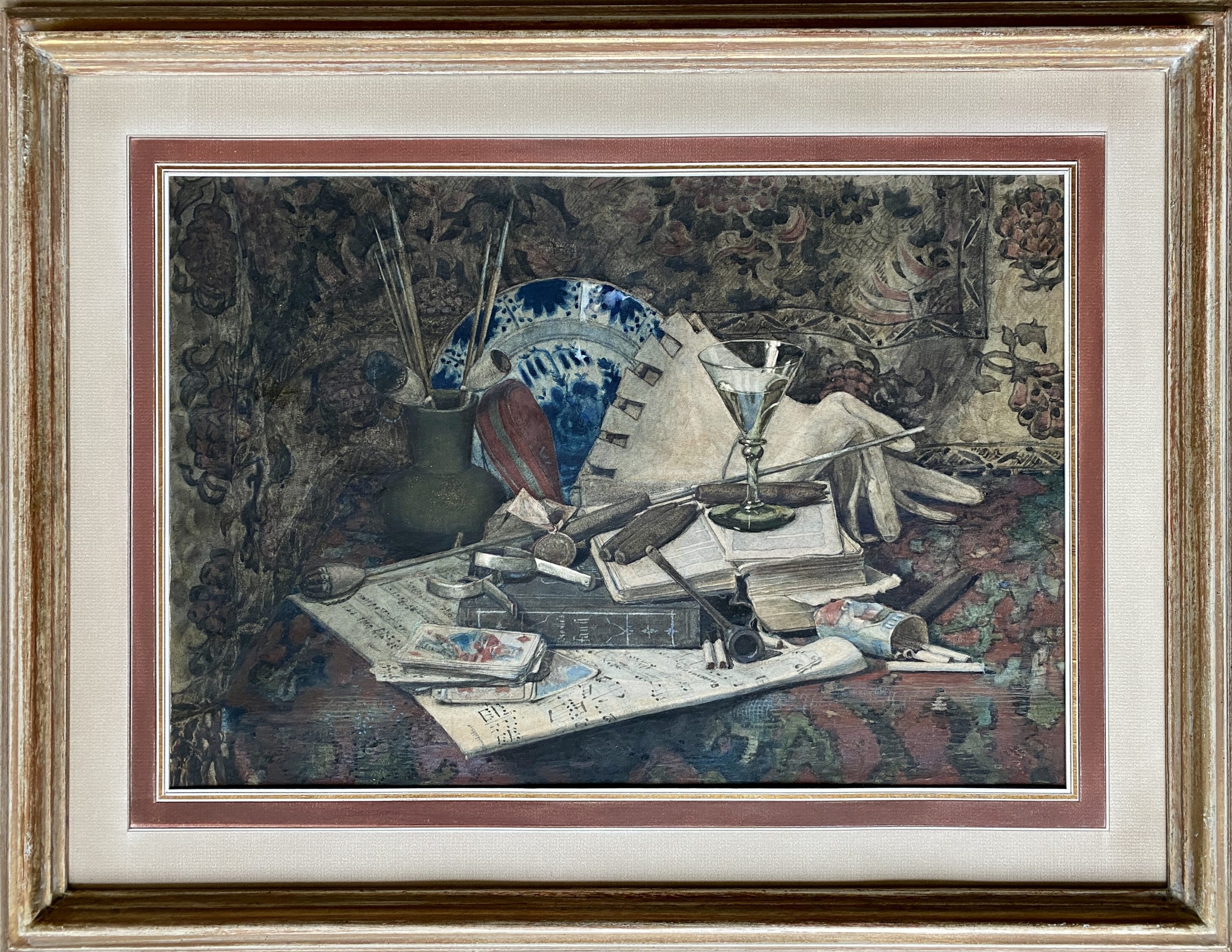
Jacqmotte’s oeuvre is remarkably diverse. His landscapes and coastal scenes capture the quiet beauty of the Belgian countryside and shoreline, while his portraits reveal a sensitive understanding of character. His genre paintings evoke peaceful moments of everyday life, and his still lifes demonstrate exceptional technical refinement and a sophisticated appreciation of colour and light. Whether depicting flowers, tranquil dunes, elegant interiors, or carefully arranged everyday objects, his paintings are characterised by balance, warmth, and an understated realism that continues to resonate with collectors and admirers of Belgian art.
Contemporary critics admired Jacqmotte’s ability to combine faithful observation with painterly elegance. His compositions reveal a masterful handling of atmosphere and subtle tonal harmonies, qualities that place him firmly within the distinguished tradition of Belgian Realism. Rather than seeking dramatic effects, he celebrated the quiet beauty of everyday subjects through refined craftsmanship and poetic sensitivity.
Today, Georges Jacqmotte’s artistic legacy is preserved in several important Belgian public collections. His works are held by the Royal Museums of Fine Arts of Belgium in Brussels, the Museum of Ixelles (Musée d’Ixelles), and the Municipality of Schaerbeek, reflecting the lasting appreciation of his contribution to Belgian painting. His paintings remain admired for their technical excellence, timeless elegance, and their ability to capture the quiet poetry of everyday life. They stand as refined testimonies to an era in which careful observation, craftsmanship, and a profound appreciation of nature formed the foundation of artistic expression.
Zeedijk – Het Zoute 731, 8300 Knokke
Belgium
+32 478 22 65 64
info@valentinasafarian.com
© Copyright 2023 Valentina Safarian | Website by BEAUX SITES